3D Electrophysiology Study (EPS) and Radiofrequency Ablation (RFA) for Non-Atrial Fibrillation Arrhythmias
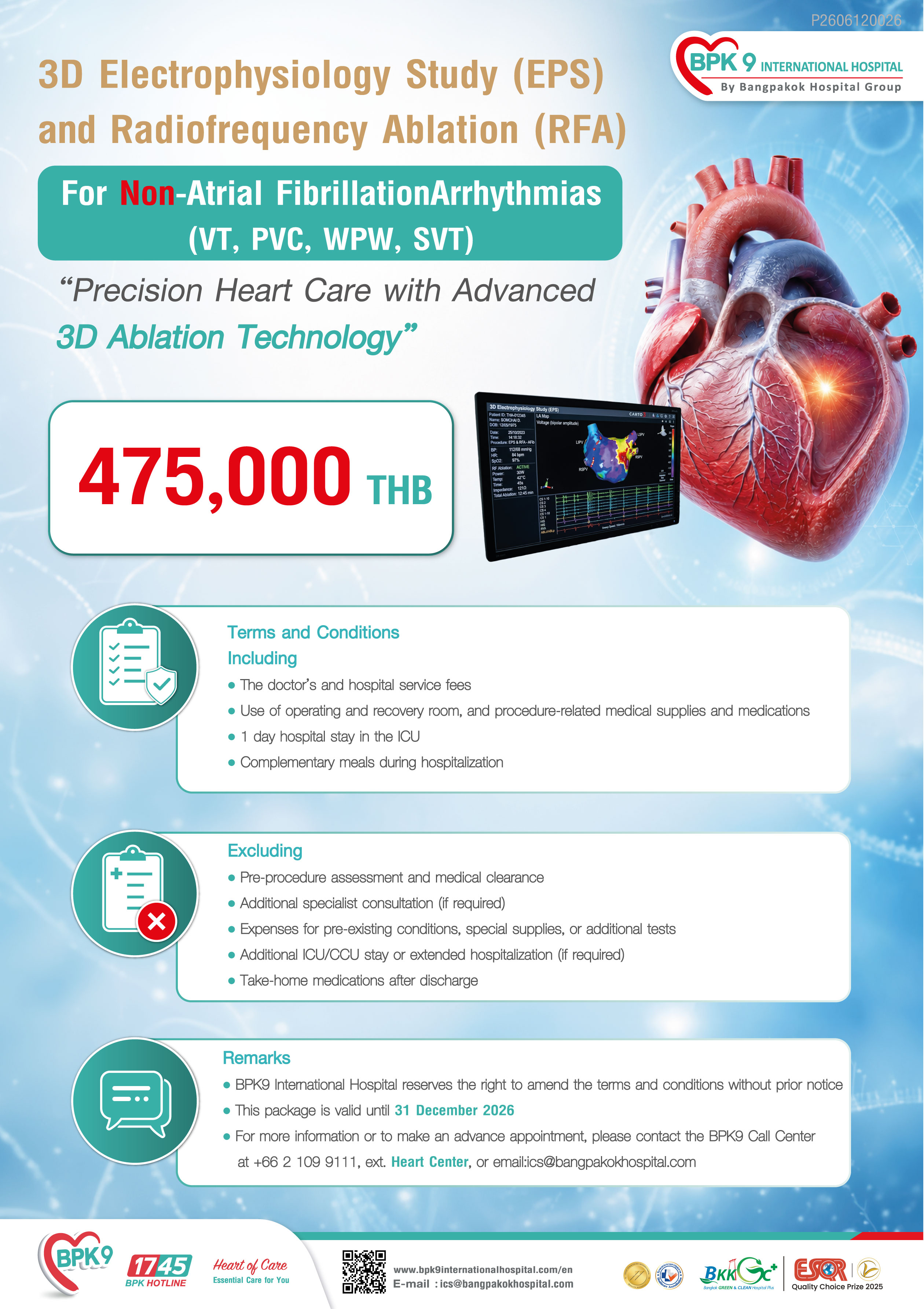
What is 3D EPS and RFA for Non-Atrial Fibrillation Arrhythmias (VT, PVC, WPW, SVT)?
3D Electrophysiology Study (EPS) and Radiofrequency Ablation (RFA) is a minimally invasive cardiac procedure used to diagnose and treat abnormal heart rhythms (arrhythmias). Using advanced 3D cardiac mapping technology, electrophysiologists can accurately identify the source of abnormal electrical signals within the heart and eliminate them through radiofrequency energy.
Unlike procedures performed for atrial fibrillation (AF), this treatment is commonly used for other arrhythmias such as:
- Ventricular Tachycardia (VT) – a rapid rhythm originating from the ventricles.
- Premature Ventricular Contractions (PVCs) – extra heartbeats arising from the ventricles.
- Wolff-Parkinson-White (WPW) Syndrome – a condition caused by an extra electrical pathway in the heart.
- Supraventricular Tachycardia (SVT) – a group of rapid heart rhythms originating above the ventricles.
How Does the Procedure Work?
During a 3D Electrophysiology Study (EPS), thin catheters are inserted through blood vessels and guided to the heart. Advanced 3D mapping systems create a detailed, real-time map of the heart's electrical activity, allowing the physician to precisely locate the abnormal pathway or focus responsible for the arrhythmia.
Once identified, Radiofrequency Ablation (RFA) delivers controlled heat energy through the catheter tip to eliminate the problematic tissue, restoring a normal heart rhythm.
Benefits of 3D EPS and RFA
✔ High precision through advanced 3D cardiac mapping
✔ Minimally invasive procedure with small catheter entry sites
✔ Reduced dependence on long-term anti-arrhythmic medications
✔ High success rates for many types of arrhythmias
✔ Short hospital stay and faster recovery
✔ Improved quality of life and symptom relief
Conditions Commonly Treated
Ventricular Tachycardia (VT)
A potentially serious rapid heart rhythm that begins in the ventricles and may cause palpitations, dizziness, fainting, or even cardiac arrest in severe cases.
Premature Ventricular Contractions (PVCs)
Extra or skipped heartbeats that may cause palpitations, chest discomfort, or fatigue. Frequent PVCs can sometimes affect heart function and may benefit from ablation.
Wolff-Parkinson-White (WPW) Syndrome
A congenital condition involving an extra electrical connection in the heart that can trigger episodes of rapid heartbeat. RFA is often considered a definitive treatment.
Supraventricular Tachycardia (SVT)
A common arrhythmia causing sudden episodes of rapid heartbeat, often resulting in palpitations, shortness of breath, dizziness, or chest discomfort. Ablation offers a highly effective and long-lasting solution.
Who May Benefit?
You may be a candidate for 3D EPS and RFA if you:
- Experience recurrent palpitations or rapid heartbeats.
- Have been diagnosed with VT, PVCs, WPW, or SVT.
- Continue to have symptoms despite medication.
- Prefer a potentially curative treatment option rather than lifelong medication.
- Have arrhythmias affecting your daily activities or heart function.
Recovery
Most patients can walk within a few hours after the procedure and return to normal activities within a few days, depending on the complexity of the treatment and their overall health condition.
Restoring a Healthy Heart Rhythm
With state-of-the-art 3D mapping technology and expert electrophysiology care, 3D EPS and RFA provide a safe, effective, and highly precise treatment option for many non-AF cardiac arrhythmias, helping patients regain confidence and enjoy a healthier, more active life.
Heart of Care Essential Care for You